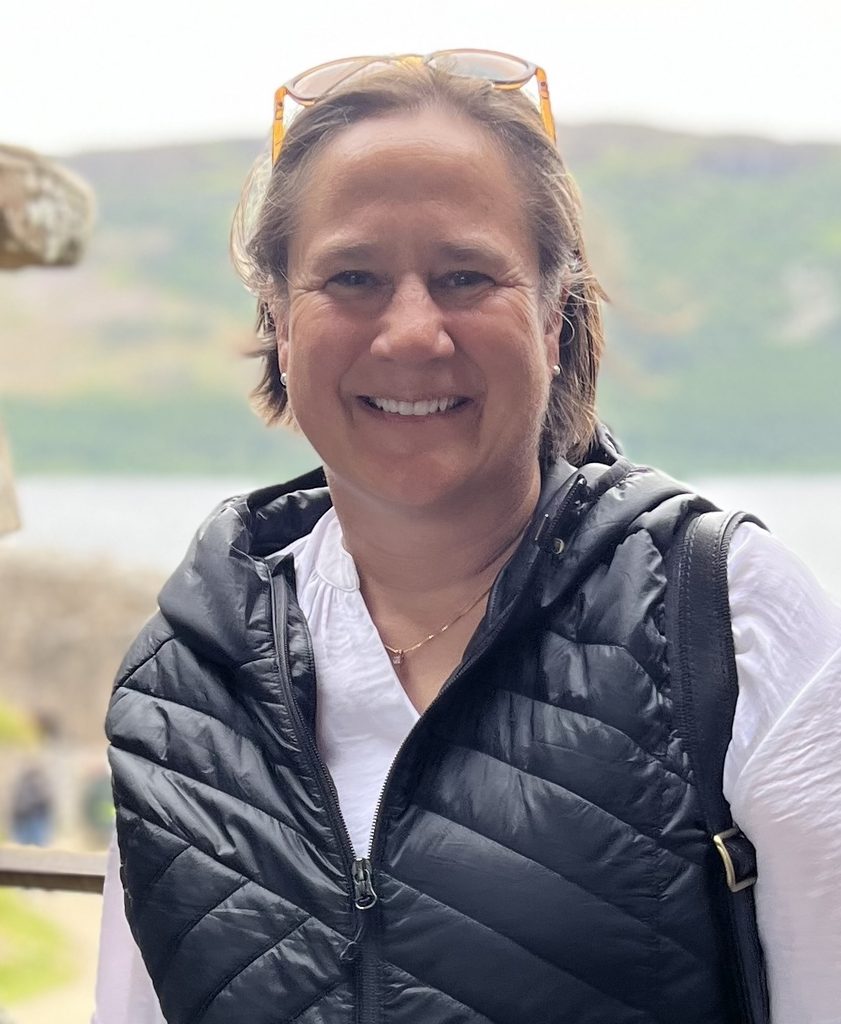
Sarah Dwyer-Shick is a self-described “Title IX baby.” Growing up on Capitol Hill, playing soccer through college and transitioning into coaching, she knows first hand what it’s like to fight for “radical concepts,” like equity in sports and feminine products in med kits.
The feminine products fight is what led her to create the Sports Bra Project, a nonprofit working to improve access to sports bras, an important step to removing barriers in sports.
“If they don’t have a sports bra, they might simply say, ‘oh, you know, I don’t like sports’ and walk away and you’re never gonna get them back,” said Dwyer-Shick, who now lives in New York but still has family in Seattle.
The Sports Bra Project, founded in 2018, has donated more than 19,000 supportive garments to 147 organizations across the world.
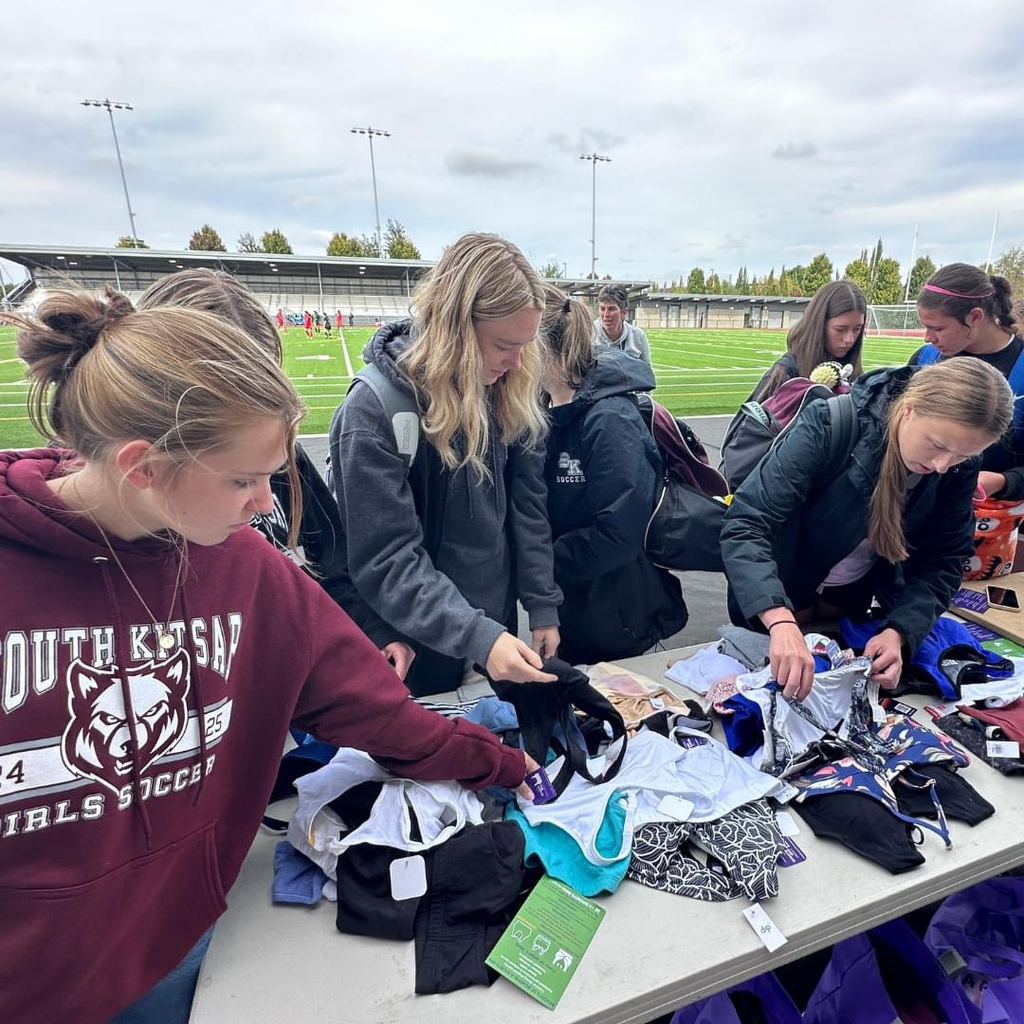
According to Dwyer-Shick, the organization receives the all new fitness bras through donations, often by way of drives hosted by athletes, individuals or teams.
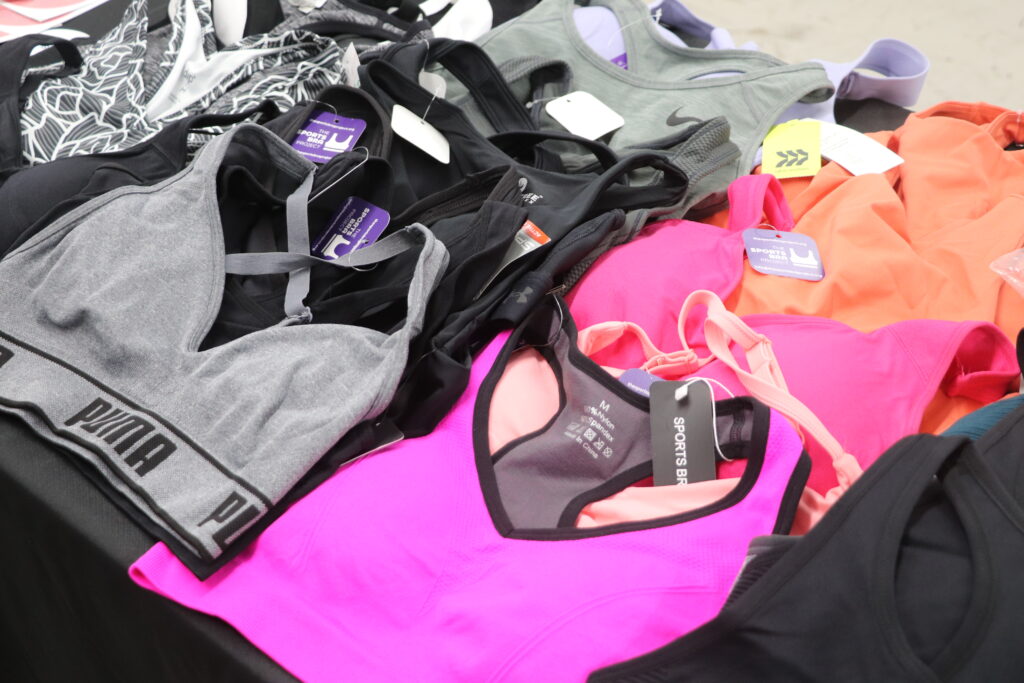
Since 2019, the Seattle Reign has partnered with the Sports Bra Project to host bra drives.
According to Dwyer-Shick, a majority of the bras collected from Reign drives remain in the Puget Sound area or go to organizations based in Washington, such as the Washington Youth Soccer Foundation and Goals Haiti.
Bras donated to the Washington Youth Soccer Foundation have found homes with girls in the Highland and Auburn School Districts, according to Camryn Iftiger, risk management coordinator and program lead at the youth soccer foundation.
Getting to see girls go from being scared and unsure about wearing sports bras to enthusiastic and eager to play sports and be a good teammate is an impactful part of the relationship between the Sports Bra Project and Washington-based organizations, Iftiger said.
Iftiger described a moment during a sports bra drive when a fourth grade girl jumped in to show her teammates it’s OK to be nervous.
“Last year she was just also one of those people that felt awkward and I think she even was like, ‘oh, I don’t need that,’ like a tomboy in a way. And then this year, she was confident. ‘Oh, yeah, this is something you need when you get older’ and explained it to other girls. We can do everything to be like, ‘oh, you don’t have to be scared,’ but actually seeing it in another kid, I feel, makes a difference for her peers as well,” Iftiger said.
The Sports Bra Project not only gives women and girls the opportunity to step into leadership roles within their teams, but also helps change the narrative around what is essential equipment in youth sports.
“If it’s a room full of women, we’re just ordering them with our socks. It’s not a big deal, it’s not a long conversation, it’s just done. ‘Oh, we need sock shorts, jerseys, sports bras,’ great, finished,” Dwyer-Shick said. “But it becomes a bigger issue when … it’s not the normal part of the conversation, which kind of furthers that othering of girls and women in sport.”
Her emphasis on leadership stemmed from Dwyer-Shick’s own experience growing up in the youth soccer space.
“So there’s a whole generation that’s my age that is now at a place where we’re like, ‘Okay, we want to make sure this is better for the next generation’,” Dwyer-Shick said.
Roughly 65% of bras collected by the Sports Bra Project stay in the United States, going to Title I schools or nonprofits. Bras sent outside the U.S. go to organizations and nonprofits with strong ties to their communities.
The Sports Bra Project is strategic about its partnerships. Rather than dropping off equipment at random organizations, it looks for ones with strong existing foundations.
In addition to collecting items that will open doors for others, sport bra drives, whether hosting or receiving, create a space for conversations about all aspects of the game.
Community discussions about these drives gradually help change the conversation about sports equipment at the school, team and league level and the hope is that eventually sports bras will join the regular equipment list, Dwyer-Stick said.
The Sports Bra Project also provides education, teaching recipients how to choose the bra that is best for them. With education sessions for male coaches, the organization works to remove stigmas surrounding sports bras.
“Because most of the staff is male, like everywhere else, they need to understand that this is just a part of some of the athletes they’re coaching and all of them are showing up in sports bras. So they need to not know how to fit the athlete, but they need to understand that this is a necessity and that this is why,” Dwyer-Shick said.
Dwyer-Shick hopes to expand the reach of the Sports Bra Project, adding new partner organizations and encouraging more teams to host drives.
Despite being based in New York, the Puget Sound area remains an important part of the Sports Bra Project. Dwyer-Shick’s mother’s house on Capitol Hill has become a holding ground and pick up spot for sports bras, with her mother often “shepherding” bras to different locations.
“To me, that has been a blast, just to work with so many different groups all doing their thing to keep girls and women in sports, particularly soccer,” Dwyer-Shick said. “It’s been amazing that each group is different but so much fun to see everybody committed to it and being able to collaborate on something because bras (are) not competitive, it’s just a piece of equipment,” Dwyer-Shick said.